A look back at ADEX 2016, our most successful event to date (50,000+ visitors). It was great fun catching up with all the fantastic speakers:
Tag: nature

Vaquita Porpoises May Go Extinct in 2022
The world’s rarest marine mammal has found itself becoming rarer and rarer each year. Now, according to a report presented this month to Mexico’s Minister of the Environment and Natural Resources and the Governor of Baja California, only 60 vaquitas remain in the Gulf of California – representing a decline of more than 92 percent since 1997.


Through The Lens: Lombok, Indonesia
Through the lens of life in Lombok; images captured from exploring the many waterfalls of Gunung Rinjani, to spending a day with the rice farmers of the many farmlands.
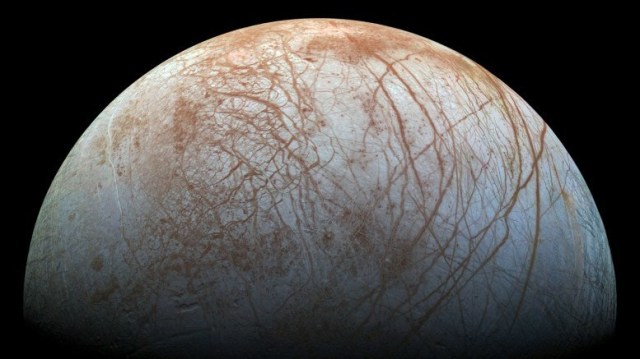
In an Ocean Far, Far Away: Icy Moon Europa’s Ocean Could Host Life
“If you love a flower that lives on a star, it is sweet to look at the sky at night. All the stars are a-bloom with flowers . . .”
– The Little Prince, Antoine de Saint-Exupéry
The discovery of life on another planet would light up space in a way for exploration that few could ever truly imagine. Just imagine: a night’s sky with all the stars and planets alight – in this too-big, too-vast universe – hosting some form of life. And each of those forms of life developing on their own terms, perhaps unaware of the myriad other forms of life that surround them. It’s a discovery that would revolutionise late-night dates lying on car bonnets, improve remote camping trips around tiny fires, and change science as we once knew it.
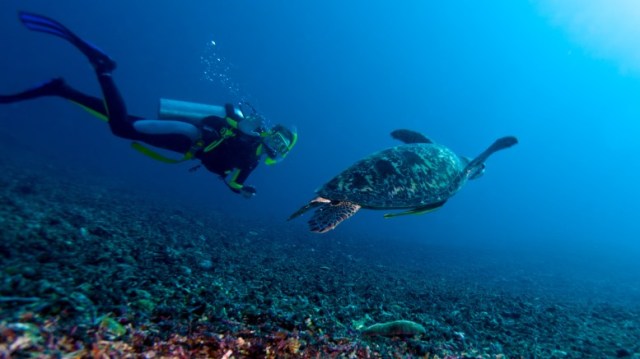
9 Reasons Why You Need to Be Aware When Underwater
After being attacked by a titan triggerfish – an ambush that felt like a punch from Muhammad Ali’s right fist and the bite of Tyson, though I’m not one to exaggerate – I started to realise the importance of why we as divers need to remain aware when underwater.
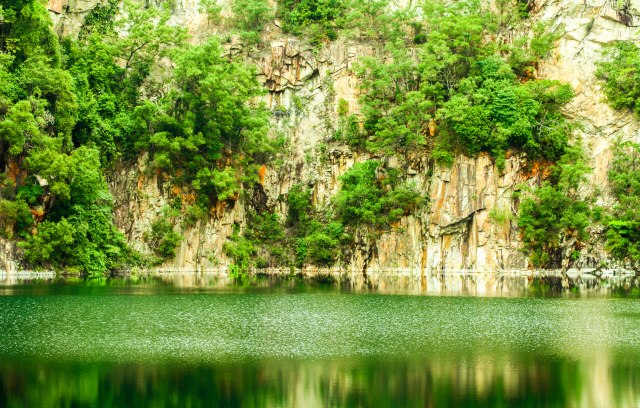
Through The Lens: Macritchie Reservoir [’15-’16]
Up close and personal to the life that inhabits Macritchie Reservoir, one of Singapore’s most admired nature trails.
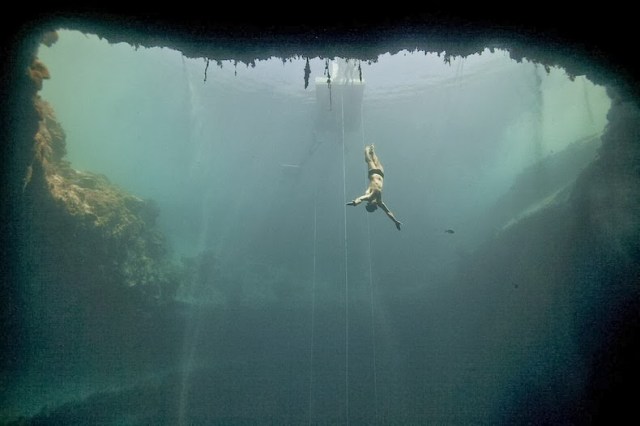
9 Underwater Wonders
Traditionally, the seven wonders of the Ancient World were a collection of remarkable constructions listed by various Greek authors. The list contained the likes of the Great Pyramids of Giza, the Lighthouse of Alexandria and many other ancient land constructions… But the Greek authors, when compiling this list, never considered exploring what “wonders” may have lay beneath the waves. Grand underwater canyons and abandoned temples were submerged underwater, out of sight.

6 reasons why you should care about the ocean
When NASA launched Apollo 8 – the first manned spacecraft to leave the Earth’s orbit, reach the moon and return – they became the first humans to ever witness “Earthrise”. Floating in the perpetual darkness of space over 300,000 kilometres away from civilisation, they gazed back to take a look at our Earth; only half visible, a blue marble slowly spinning. Our blue planet.

Through The Lens: Vietnam [Dec’15]
Through the lens of my time spent in both North and South Vietnam, and a few snaps from city streets Bangkok.

6 ways Sylvia Earle changed the way we view the ocean
For many, dedicating a lifetime to protecting and understanding the underwater world – a world that they may never see, apart from on television screens and picture postcards – may appear ridiculous, if not radical. […]
 Oliver jarvis